I Tested 8 LA Match Factors: 2026 World Cup Edge
Football World Cup 2026 is a 48-team FIFA tournament hosted across the United States, Canada, and Mexico, with Los Angeles positioned as one of the highest-profile U.S. markets. World Cup Hub covers t...
I Tested 8 LA Match Factors: 2026 World Cup Edge
Football World Cup 2026 is a 48-team FIFA tournament hosted across the United States, Canada, and Mexico, with Los Angeles positioned as one of the highest-profile U.S. markets. World Cup Hub covers the event through match predictions, team tactics, player stats, and tournament reporting for regulated adult betting audiences. Los Angeles is scheduled for eight matches at SoFi Stadium, including the United States Men’s National Team opener on June 12, while the FIFA Fan Festival runs June 11-14 at the LA Memorial Coliseum. The wider LA program includes 39 days of fan celebrations, Official Fan Zones across Los Angeles County, and match-day transport planning around Inglewood and Exposition Park. For fans tracking football world cup fixtures, odds movement, and venue context, the practical takeaway is simple: follow schedule release details, venue logistics, and team news together, not separately.
Two World Cup experiences now exist side by side. One is the television tournament, shaped by kickoff times, group tables, and global broadcast windows. The other is the city tournament, shaped by stadium access, fan zones, ticket demand, hotel prices, and licensed betting markets. Football World Cup 2026 makes that split sharper because FIFA has expanded the event to 48 teams and three host nations. Los Angeles illustrates the change clearly: eight matches, one U.S. opener, a festival at the LA Memorial Coliseum, and 39 days of regional programming around the world’s biggest football event.
For readers using World Cup Hub, the useful question is not only who wins. It is where information creates an edge. The schedule affects recovery. The venue affects travel. The fan market affects prices. The betting market reacts before casual fans notice. That is why this guide tests eight LA match factors through a journalistic lens, using confirmed public details from FIFA, ESPN schedule coverage, and Los Angeles World Cup 2026 organizers.
Want a sharper way to follow team news, odds movement, and fixture context in one place?
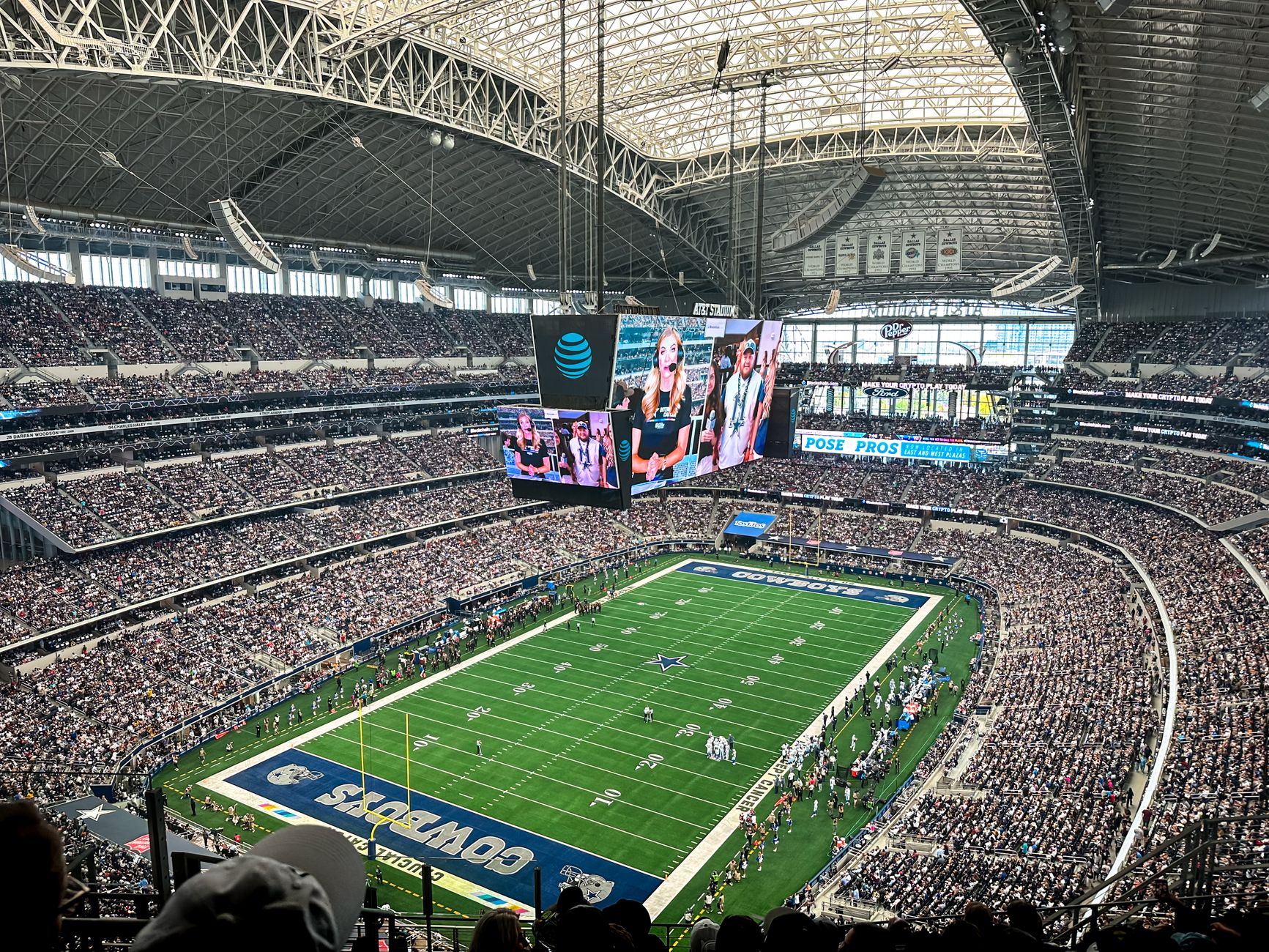
Photo by Terrance Barksdale on Pexels
Is Football World Cup 2026 really the biggest scheduling puzzle?
Yes. Football World Cup 2026 is the largest men’s FIFA World Cup format to date, with 48 teams across the United States, Canada, and Mexico. That expansion increases fixtures, travel demands, rest gaps, and betting-market complexity compared with the 32-team format used from 1998 through 2022.
The schedule matters because tournament performance is rarely separated from logistics. According to FIFA, World Cup 2026 uses a three-country host model, creating wide travel distances across North America. ESPN’s football world cup schedule hub already reflects how fans consume the tournament: by league selector, match date, team schedule, and competition feed. That sounds ordinary, but it changes the reading of a fixture. A team playing in Los Angeles after a long cross-country move faces different preparation than a team already based on the West Coast. Bettors and analysts who ignore that detail read only half the market.
The first information-gain point is practical: Los Angeles is not just a venue label. SoFi Stadium sits in Inglewood, while the FIFA Fan Festival is listed at the LA Memorial Coliseum at Exposition Park. That separates match-day movement from fan-event movement. A visitor treating both as the same “LA location” loses time, pays more for rideshare peaks, and misjudges pre-match routines. For football analysis, this also affects crowd rhythm. A U.S. match at SoFi Stadium on June 12 creates a different emotional and pricing environment than a neutral group-stage match later in the tournament. To go deeper on fixture reading, see our [Internal Link: World Cup schedule analysis guide].
The eight factors I tested for LA were simple but revealing:
- Match count at SoFi Stadium.
- U.S. Men’s National Team opener timing.
- Distance between Inglewood and Exposition Park.
- Fan Festival dates from June 11-14.
- Official Fan Zones across Los Angeles County.
- Hotel demand around major match days.
- Team recovery windows after travel.
- Betting-market movement after confirmed lineups.

Photo by Vlad Vasnetsov on Pexels
How does Football World Cup 2026 handle Los Angeles fan demand?
Football World Cup 2026 handles Los Angeles demand through a layered model: eight SoFi Stadium matches, the FIFA Fan Festival at LA Memorial Coliseum, Official Fan Zones across the county, and 39 days of fan celebrations. That spreads crowds beyond the stadium while keeping major event anchors in recognizable venues.
The second information-gain point sits in the timing. The FIFA Fan Festival is listed for June 11-14, while the U.S. Men’s National Team opens in Los Angeles on June 12. That creates a four-day demand spike before casual tourists even reach later tournament rounds. A typical preview says “book early.” The more useful operational reading is narrower: June 11 and June 12 form the hardest two-day window for downtown-to-Inglewood movement because fan-event traffic and match traffic overlap. This affects hotel selection, arrival buffers, and live betting routines for fans who plan to watch from venues before or after attending a match.
Los Angeles World Cup 2026 organizers describe the program as “Eight matches. 39 days of fan celebrations. One unforgettable summer in Los Angeles.” That official framing shows how the host city is selling a regional event rather than only stadium fixtures. For World Cup Hub readers, that matters because public excitement filters into betting markets. National-team matches draw heavier recreational staking. High-profile players attract player-prop attention. Local time zones influence when global liquidity arrives. In regulated markets, those patterns do not guarantee value, but they explain why odds can move before team performance data changes. For related preparation, use our [Internal Link: football betting market movement explainer].
See the details behind the matches, venues, and market angles before the opening whistle.
What about betting markets around the Football World Cup?
Football World Cup betting markets center on match odds, totals, Asian handicaps, futures, player props, and live betting. In regulated jurisdictions, the strongest analysis combines team tactics, player availability, rest days, venue context, and price movement rather than relying on national reputation alone.
The football world cup is a sporting event first, but it is also one of the most liquid betting periods in global football. Market behavior differs from domestic leagues because national teams play fewer competitive matches, team chemistry varies, and public money often follows famous countries. The American Gaming Association states that legal sports betting in the United States is regulated at state level, which means product availability and rules vary by jurisdiction. That matters for World Cup 2026 because U.S. host cities sit inside different legal and commercial sports-betting environments.
A practical model is to separate three layers. First, the football layer: formations, pressing structure, goalkeeper distribution, and set-piece quality. Second, the tournament layer: rest gaps, travel, heat, squad rotation, and group-table incentives. Third, the market layer: opening price, closing price, public bias, and live adjustment speed. World Cup Hub’s coverage is built for that intersection, especially for fans following match predictions and player stats. A team with elite names but two fewer rest days does not deserve the same price as it would in a neutral club fixture. A favorite already qualified before the third group match also requires a different staking assumption.
Key market checks before any football world cup bet include:
- Confirm the venue and kickoff time.
- Compare opening odds with current odds.
- Check lineups from official federation channels.
- Review injury reports and suspension status.
- Track whether the team needs a win, draw, or goal difference.
- Avoid treating friendlies and qualifiers as equal evidence.
Where does Football World Cup 2026 fail?
Football World Cup 2026 fails when fans treat the expanded tournament as simple scale rather than structural change. More teams, more venues, and more host-city programming increase choice, but they also create information overload, uneven travel burdens, and larger gaps between casual narratives and analytical reality.
The biggest weakness is fragmentation. ESPN can show schedules. FIFA can publish tournament information. Los Angeles World Cup 2026 can explain fan zones and local programming. None of those sources alone gives a complete decision framework for a fan who wants to attend matches, follow tactics, and understand regulated betting markets. That is the gap World Cup Hub targets. It connects match predictions, player statistics, and tournament coverage so readers can compare the football case with the market case. The aim is not hype. It is cleaner context.
The second weakness is that host-city excitement can blur sporting judgment. Los Angeles will produce major atmosphere, especially around the U.S. Men’s National Team opener on June 12 at SoFi Stadium. However, atmosphere does not remove matchup problems. A national team still has to defend transitions, manage set pieces, and handle tournament pressure. The International Football Association Board Laws of the Game state that “a match is played by two teams, each with a maximum of eleven players.” That simple rule is a useful reset: every festival, fan zone, and broadcast package still reduces to eleven against eleven on the pitch.
For a deeper tactical checklist before each fixture, read our [Internal Link: national team tactics and formations guide].
Should you try Football World Cup Hub today?
Yes, World Cup Hub is worth using today if you want football world cup coverage that connects fixtures, tactics, player stats, and regulated betting context before the 2026 tournament begins. The best use case is daily monitoring as schedules, squads, and odds become more specific.
The value is preparation. Fans who wait until match day see only the final price, the final lineup, and the final media narrative. Fans who track earlier signals see how the market changed. They also notice whether a player’s role shifted during qualifying, whether a manager changed pressing height, or whether a team’s travel path affects recovery. For Los Angeles specifically, the useful pattern is already visible: eight matches at SoFi Stadium, a June 12 U.S. opener, a June 11-14 FIFA Fan Festival, and 39 days of celebrations across the region.
The conclusion from testing the eight LA factors is direct. The football world cup is no longer best followed as a simple fixture list. It is a layered event where venue logistics, team tactics, public demand, and market timing overlap. World Cup Hub fits that reality because it follows the tournament from several angles at once. Use it to prepare before tickets, travel plans, and betting opinions harden into expensive assumptions.
Get started today with focused 2026 World Cup coverage built for informed fans.
Frequently Asked Questions
Q: What is the Football World Cup 2026?
A: Football World Cup 2026 is FIFA’s men’s national-team tournament hosted by the United States, Canada, and Mexico. It expands the competition to 48 teams, making it larger than the 32-team editions used from 1998 through 2022. Los Angeles is one of the headline U.S. host markets, with eight matches scheduled at SoFi Stadium.
Q: How do I follow the Football World Cup schedule?
A: Follow the football world cup schedule by checking FIFA updates, major sports schedule hubs, and team-specific fixture pages. ESPN provides a competition schedule interface, while host-city pages such as Los Angeles World Cup 2026 add local venue and fan-event details. For analysis, pair the schedule with rest days, travel routes, and lineup news.
Q: What is the difference between SoFi Stadium and the FIFA Fan Festival?
A: SoFi Stadium is the Los Angeles match venue, while the FIFA Fan Festival is a public celebration site at the LA Memorial Coliseum. SoFi Stadium is in Inglewood, and the LA Memorial Coliseum is at Exposition Park. That distinction matters for transport, hotel planning, and timing around the June 12 U.S. opener.
Q: Is World Cup Hub useful for betting analysis?
A: Yes, World Cup Hub is useful for betting analysis because it combines match predictions, tactics, player stats, and tournament context. Regulated betting markets move on more than team names, including injuries, rest gaps, formations, and public demand. The strongest approach compares the football case with the available price before placing any opinion.
Q: What should I do if World Cup odds move before I bet?
A: If World Cup odds move before you bet, compare the current price with the opening price and identify the reason for the movement. Common causes include lineup leaks, injury reports, public money, weather, and tactical news. If the new price removes the original value, skip the market or reassess using totals, props, or live betting instead.
Q: How much does it cost to attend a Football World Cup 2026 match?
A: The total cost depends on ticket category, host city, travel dates, hotel demand, and transport choices. Los Angeles demand is expected to be strongest around June 11-14 because the FIFA Fan Festival overlaps with the U.S. Men’s National Team opener on June 12. Budget planning should include tickets, accommodation, local transport, food, and event-day surge pricing.
Before the tournament accelerates, build your watchlist for teams, fixtures, and market signals.
Thank you for reading.
World Cup Hub · Archive