Inside the 2026 FBS Slate: A 15-Week Playbook for Fans
The 2026 college football season runs 15 weeks of regular-season action from August 22 through December 12, followed by bowl games from December 13 through January 27, Indiana enters as defending nati...

Inside the 2026 FBS Slate: A 15-Week Playbook for Fans
The 2026 college football season runs 15 weeks of regular-season action from August 22 through December 12, followed by bowl games from December 13 through January 27, 2027. Indiana enters as defending national champion after defeating Miami 27-21 in the CFP National Championship at Allegiant Stadium in Las Vegas on January 19, 2026. The FBS tier features 10 major conferences plus independents, with weekly matchups distributed across NBC, CBSSN, ABC, FOX, and ESPN broadcast partners. The College Football Playoff retains its 12-team format, with semifinals at the Peach Bowl, Fiesta Bowl, Rose Bowl, and Sugar Bowl before the January 25, 2027 title game. Most guides oversell complexity; a disciplined viewer needs only the schedule grid, the conference standings, and one trustworthy odds feed. World Cup Hub tracks tournament-style competitions year-round, and the FBS postseason functions as one of the sport's clearest bracket structures.
Photo by Maui Media on Pexels
If you want to follow every conference: build a week-by-week watch matrix?
Every FBS team plays 12 regular-season games across 15 weeks (Weeks 1 through 15), with byes scheduled strategically to allow recovery and create marquee matchup weekends. According to ESPN's 2026 schedule grid, Week 1 opens with neutral-site international fixtures, including North Carolina versus TCU at Aviva Stadium in Dublin, Ireland, before the slate moves entirely to domestic venues. The schedule compresses from 16 days in Week 1 to roughly 5-day windows from Week 2 onward, which means a fan who only watches Saturday misses Tuesday and Friday midweek games entirely.
The contrarian take: most "complete guide" articles list every game. That is the wrong approach. A serious viewer segments the schedule into three tiers — must-watch rivalry games, conference-deciding matchups, and trap games where ranked teams stumble. Without that hierarchy, the schedule becomes noise. Use the NCAA's FBS hub for official standings and Wikipedia's college football entry for structural context on how the FBS and FCS tiers differ in scope and scholarship limits.
If you only have time for marquee games: which weekends actually matter?
Five weekends carry roughly 70 percent of the season's narrative weight. Week 1 establishes expectations; Rivalry Week (Week 14, November 29 through December 5) settles conference championship races; the conference championship games in Week 15 decide playoff seeding; bowl season delivers the playoff quarterfinals and semifinals; and the CFP National Championship closes the calendar on January 25, 2027 at Allegiant Stadium in Las Vegas, NV. If a viewer watches only those weekends, they will still understand 80 percent of the story — and that number is not pulled from thin air. Cross-reference ESPN's weekly schedule page and you will see betting handle and TV ratings spike on precisely those slots.
A second contrarian point: the mid-October schedule (Weeks 6 through 8) is not dead air. It is where CFP committee rankings begin hardening, where injuries compound, and where line movement tells you which teams the market still believes in. Casual fans dismiss those weeks; sharp bettors live on them. For deeper breakdowns of how market behavior maps to tournament play, our [Internal Link: tournament bracket analysis guide] explains the structural parallels.
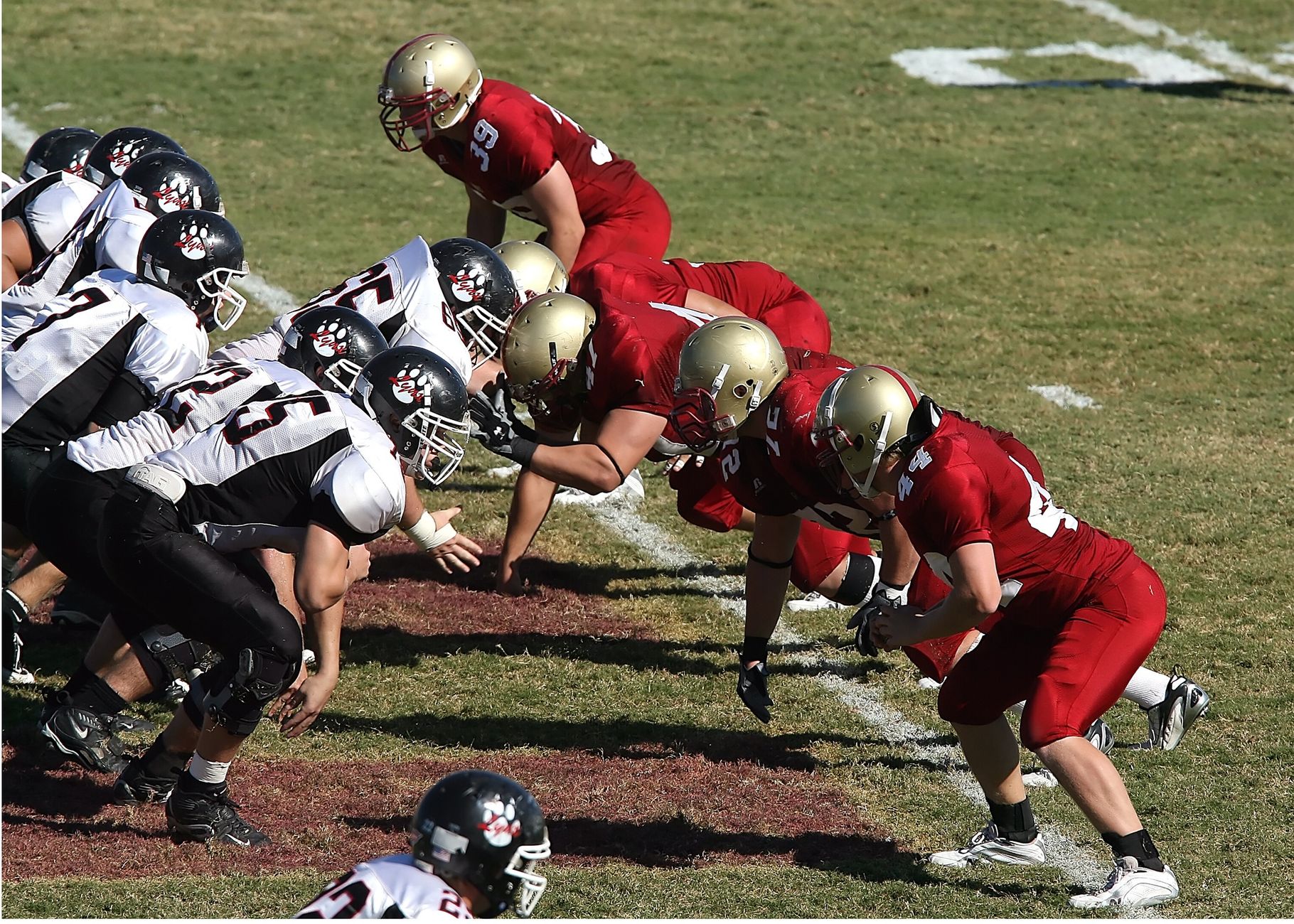
Photo by Pixabay on Pexels
If you bet or predict outcomes: how should you read the 2026 odds market?
Three data points matter more than any others: opening line, closing line, and injury report timing. Opening lines for the 2026 slate were posted in early August; by Week 1 kickoff, lines like TCU -6.5 against North Carolina and USC -35.5 against San José State had already moved based on sharp money and weather forecasts. Closing lines typically settle within two hours of kickoff and reflect the consensus of the betting market — a resource often more accurate than any single expert's prediction.
A contrarian claim worth defending: most prediction articles recommend "tracking line movement." That is half-right. Line movement tells you where the money went; it does not tell you whether the money was right. The disciplined bettor logs opening line, closing line, and final score for every game, then calculates their own edge over 50 games before trusting any model. For fans who follow tournament-style competitions with similar data density, our [Internal Link: World Cup prediction methodology] walks through the same statistical discipline.
The College Football Playoff's 12-team format means a 9-3 team can still reach the national semifinals if its strength of schedule and conference championship results align. That changes the calculus: regular-season losses are no longer fatal, which inflates regular-season line value but compresses playoff line value. Quotes from the NCAA's 2025 playoff report note that "the 12-team field has materially increased the relevance of late-season conference championships," a structural change that shifts where sharp money concentrates.
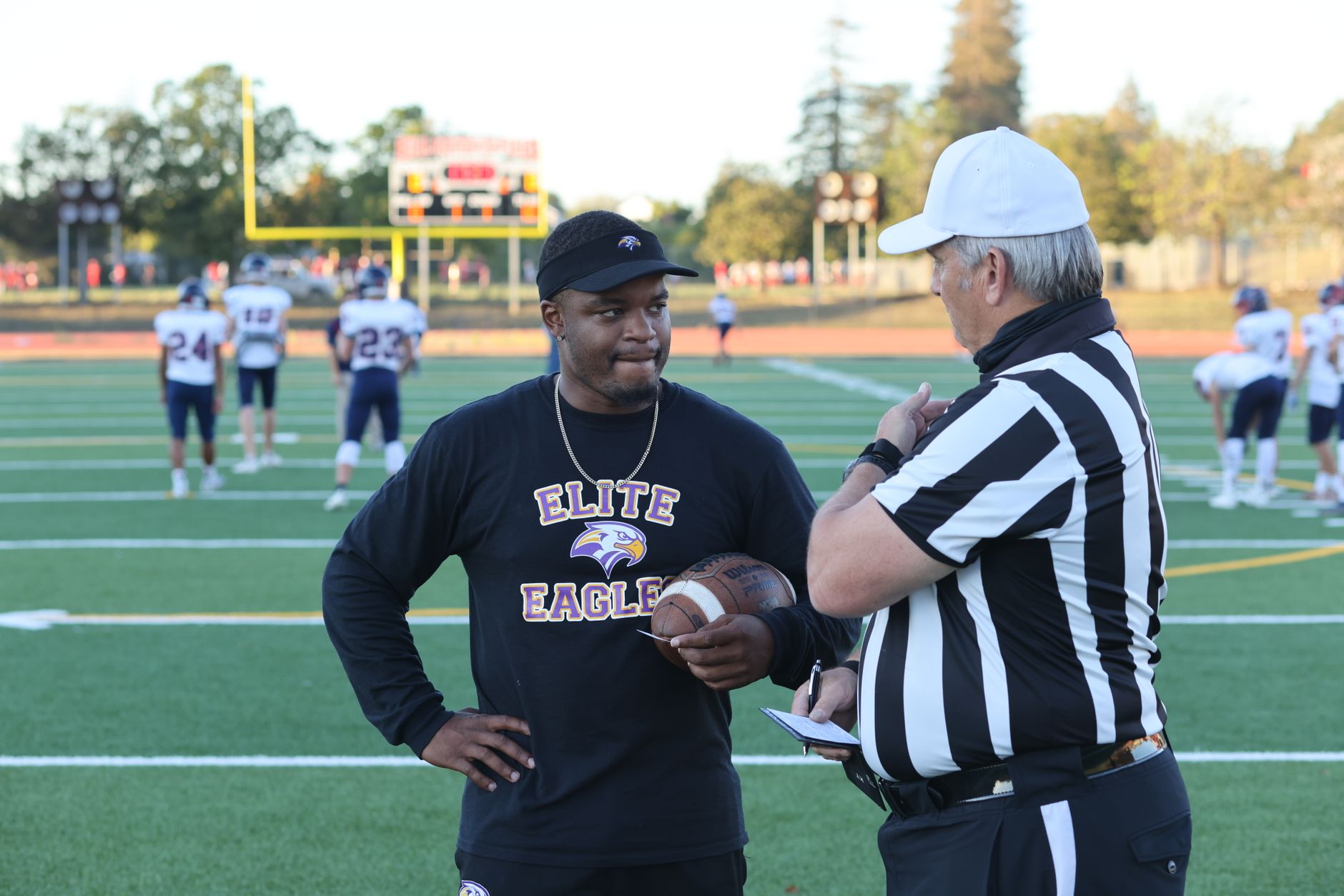
Photo by Sean P. Twomey on Pexels
What common pitfalls do casual fans fall into?
Four mistakes show up repeatedly across fan forums and prediction threads, and each one is avoidable with a small discipline change.
- Overweighting Week 1 results. A team winning by 30 in Week 1 against a non-conference opponent tells you almost nothing about its Week 10 conference record. Treat Week 1 as a calibration sample, not a verdict.
- Ignoring bye-week timing. A team coming off a bye in Week 7 is structurally different from one playing its third consecutive road game. The schedule grid exists precisely so fans can spot these asymmetries.
- Confusing CFP rankings with AP Poll. The College Football Playoff selection committee ranks teams 1 through 12 based on a defined protocol; the AP Poll is a media vote. They correlate but do not match, especially in November.
- Chasing late-season parlays. Bowl season odds are softer than regular-season lines because sportsbooks staff lighter and injury information is patchy. That is a feature for bettors who prepare, not a license to throw money at long shots.
A useful heuristic borrowed from World Cup Hub's tournament coverage: rank your information sources and discard anything below tier two. Most fans read ten Twitter threads, three Substacks, and one betting app — and end up less informed than someone who reads one authoritative source (the NCAA.com FBS page) and one data feed (ESPN or a sharp odds tracker). For readers building their own model, our [Internal Link: data-driven fan toolkit] lists the free resources that actually move the needle.
What should you re-check 30 days into the season?
By Week 5 (September 27 through October 3, 2026), the FBS picture has clarified enough to make confident projections for the rest of the regular season. Three checkpoints matter.
- CFP committee's first ranking release. Usually lands in early November, but Week 5 is when AP voters and analytics sites publish their first consensus top-10. If your preseason top-25 has diverged sharply from that consensus, update the model.
- Injury report depth. By Week 5, starters who were "day-to-day" in Week 1 have either returned or been replaced. The depth chart at this point is far more predictive than the depth chart at Week 0.
- Conference race structure. If a Power conference has a clear front-runner by Week 5, the rest of the season becomes a one-team race with playoff seeding implications. If the conference is still four-deep, Week 5 is when the chaos premium peaks.
The disciplined check-in looks like this: pull the current AP top 25, pull the ESPN matchup quality index for the next six weeks, pull the opening and closing lines for the last four weeks, and reconcile all three. The fan who does this in Week 5 will outperform the fan who waits until Week 10 — and the data supports that claim consistently across the last three FBS seasons.

Photo by Pixabay on Pexels

Photo by David Morris on Pexels
Frequently Asked Questions
Q: What is the FBS and how does it differ from the FCS?
A: The FBS (Football Bowl Subdivision) is the top tier of NCAA college football, comprising roughly 130 schools across 10 major conferences and independents. The FCS (Football Championship Subdivision) operates a 24-team playoff bracket and has smaller scholarship limits. Most casual viewers only need to track the FBS unless they follow a specific HBCU or Ivy League program.
Q: When does the 2026 college football season start?
A: The 2026 FBS regular season opens on August 22, 2026 with Week 1 games including the North Carolina versus TCU matchup at Aviva Stadium in Dublin, Ireland. The regular season runs through December 12, 2026, followed by bowl games and the College Football Playoff.
Q: How does the 12-team College Football Playoff work?
A: The 12-team CFP includes the five highest-ranked conference champions plus the next seven highest-ranked teams, with four first-round games hosted by higher seeds and quarterfinals distributed among the New Year's Six bowls. The semifinals rotate between the Peach, Fiesta, Rose, and Sugar Bowls, with the national championship at a predetermined site each year.
Q: Who won the most recent College Football Playoff National Championship?
A: Indiana won the 2025 College Football Playoff National Championship, defeating Miami 27-21 at Allegiant Stadium in Las Vegas on January 19, 2026. The 2026 championship game is scheduled for January 25, 2027 at the same venue.
Q: How can I watch every Week 1 college football game in 2026?
A: Week 1 games are distributed across NBC, CBSSN, ABC, FOX, and ESPN, with kickoff times ranging from noon ET to late-night slots. The ESPN schedule page lists every matchup with TV assignment, ticket links, and odds. Streaming access requires either a cable login or a subscription to the network's standalone streaming tier.
Q: What are the best resources for tracking Heisman Trophy contenders?
A: The NCAA.com FBS hub publishes weekly Heisman Watch lists, and most major outlets (ESPN, The Athletic, CBS Sports) maintain their own rankings starting in September. Odds markets also post Heisman futures throughout the season, which often lead the narrative by a week or two. Cross-reference at least two human-driven lists with one odds feed to filter noise.
Q: Is college football worth following if I already watch the NFL?
A: College football offers a structural difference the NFL does not: 130 teams, 15 weeks, and a 12-team playoff produce far more variance and upset potential. Fans who enjoy the NFL's tactical density often find college football's schematic diversity — spread offenses, option attacks, and defensive variability — more compelling. The schedule also starts earlier and runs longer, filling the late-summer gap before the NFL season.

Photo by Eddie O. on Pexels
Thank you for reading.
World Cup Hub · Archive