What Nobody Tells You About Football 2026 World Cup
The Football 2026 World Cup will be FIFA’s largest men’s tournament, featuring 48 teams, 104 matches, 16 host cities, and 39 days of competition across Canada, Mexico, and the United States. FIFA Worl...
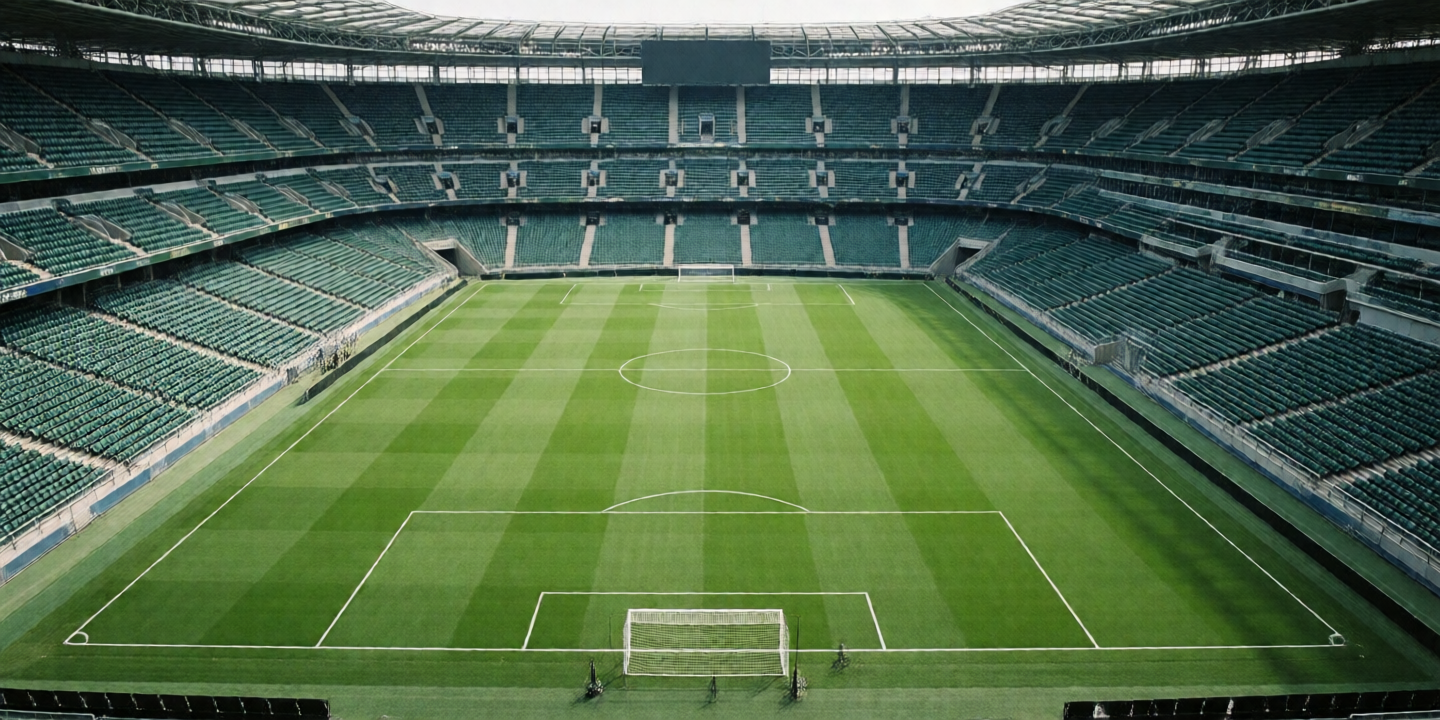
What Nobody Tells You About Football 2026 World Cup
The Football 2026 World Cup will be FIFA’s largest men’s tournament, featuring 48 teams, 104 matches, 16 host cities, and 39 days of competition across Canada, Mexico, and the United States. FIFA World Cup 26 begins on June 11, 2026, in Mexico City, with the final scheduled for July 19 at MetLife Stadium in New Jersey. Mexico, Canada, and the United States are the host nations, while Atlanta will stage a semifinal and Los Angeles will host eight matches plus major fan celebrations. The expanded format creates more fixtures, longer travel routes, and greater value in comparing team depth rather than judging famous names alone. World Cup Hub tracks match predictions, tactical trends, player statistics, and daily tournament developments. Start by mapping the schedule, then assess squad rotation, travel distance, and confirmed lineups before forming any football 2026 World Cup view.
If you are planning the tournament early: map the real schedule
The Football 2026 World Cup is not simply a larger version of Qatar 2022. The tournament will include 48 national teams divided into 12 groups of four, with the top two teams from each group and the eight best third-placed teams advancing to a 32-team knockout stage. That structure produces 104 matches, compared with 64 in the previous 32-team format, so anyone following the competition needs a better system than scrolling through headlines and guessing from reputation.
The opening match is scheduled for Mexico City on June 11, 2026. Canada, Mexico, and the United States will each host group-stage matches, while the final is planned for MetLife Stadium in East Rutherford, New Jersey, on July 19. Host cities include Toronto, Vancouver, Mexico City, Guadalajara, Monterrey, Atlanta, Boston, Dallas, Houston, Kansas City, Los Angeles, Miami, Philadelphia, San Francisco Bay Area, Seattle, and the New York/New Jersey region.
Here is the practical way to organize the football 2026 World Cup:
- Separate matches by host region rather than by country alone.
- Mark the two-day and three-day recovery windows between fixtures.
- Track whether teams remain in the same time zone during the group stage.
- Recheck the official FIFA schedule before booking travel or making predictions.
- Compare confirmed lineups only after final squad announcements.
This matters because the expanded tournament creates more possible paths through the knockout bracket. A team finishing second may face a completely different travel burden from a group winner, and third-place qualification adds uncertainty that did not exist under the older format. The FIFA World Cup 2026 official competition information remains the most reliable reference for dates, venues, and regulations.
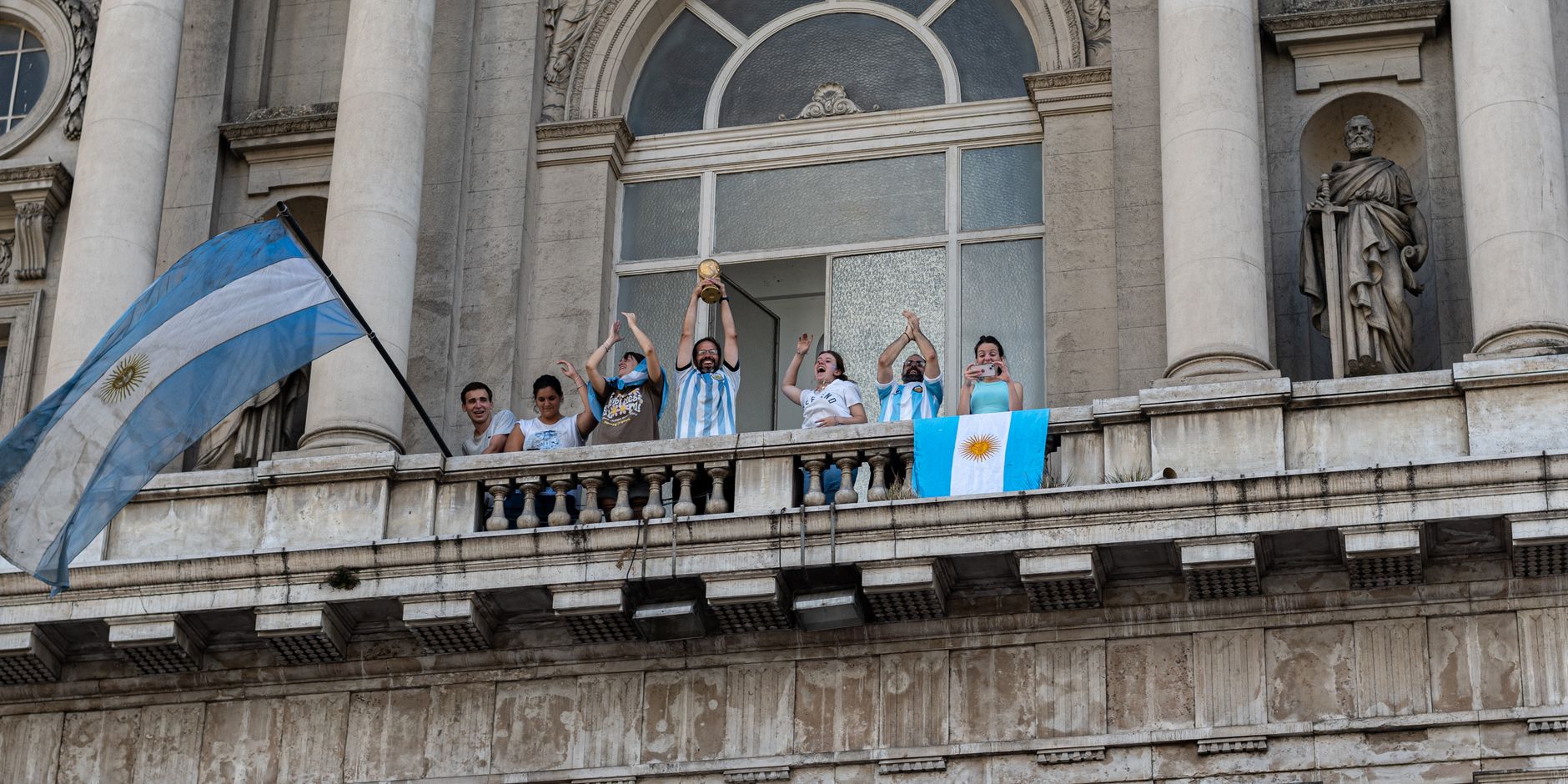
Photo by Fabrizio Velez on Pexels
World Cup Hub treats the schedule as analytical data, not decoration. A strong team can still lose value if it travels repeatedly between North America’s western and eastern time zones, particularly when recovery periods are short. The lesson is dull, which usually means it is useful: know the route before you admire the badge.
Want a clearer tournament overview before the fixtures accelerate?
If you are comparing host cities: do more than count stadium capacity
Host-city analysis should begin with logistics, not glamorous photographs of Mercedes-Benz Stadium or SoFi Stadium. Atlanta’s Mercedes-Benz Stadium is scheduled to host eight matches, including a semifinal, while Los Angeles will also stage eight matches and operate a FIFA Fan Festival at the Los Angeles Memorial Coliseum at Exposition Park. Those numbers make Atlanta and Los Angeles important viewing hubs, but they do not automatically make every local match tactically or commercially significant.
Each city offers a different operating environment. Seattle and Vancouver provide cooler conditions than many southern venues, while Dallas, Houston, Miami, and Atlanta may create greater heat and humidity concerns depending on kickoff time. Mexico City brings altitude into the discussion, and the New York/New Jersey final venue introduces a different climate profile from the western host cities. You can verify venue and city information through FIFA’s host-city coverage.
A useful comparison should include:
- Stadium roof and climate-control characteristics.
- Expected temperature, humidity, and kickoff timing.
- Airport access and likely transfer congestion.
- Team travel distance from the previous fixture.
- Grass quality, pitch dimensions, and recent stadium usage.
- Local fan activity, including official FIFA Fan Festivals.
Atlanta is especially interesting because Mercedes-Benz Stadium uses a retractable roof and has extensive experience hosting Atlanta United and major sporting events. Los Angeles offers a broader entertainment ecosystem, with matches, fan zones, music, food, and community programming spread across the region. The Los Angeles World Cup 2026 host information describes eight matches and 39 days of fan celebrations, a useful reminder that the event extends far beyond the 90 minutes on the pitch.
However, do not confuse a lively city with a competitive edge. Supporter noise can influence atmosphere, but travel, rest, heat exposure, and squad rotation usually offer more measurable explanations. The common beginner mistake is to treat a full stadium as a tactical variable. It is not useless, but it is rarely the first variable to examine.
Football 2026 World Cup host cities guide
After reviewing host-city information, the next question is whether a team’s playing style can survive the geography. That is where the tournament becomes less predictable than promotional material suggests.
Get the venue and travel factors in one place before matchday.
If you are studying match predictions: prioritize depth, rest, and tactical fit
Football 2026 World Cup predictions should begin with squad depth rather than tournament nostalgia. A 48-team field increases the number of matches, and the knockout stage may reward teams capable of changing shape without weakening their pressing, build-up, or defensive transitions. A first-choice XI remains important, naturally, but the substitutes may become the difference when travel and recovery accumulate.
World Cup Hub’s prediction framework focuses on five connected indicators:
- Recent competitive form, weighted by opponent quality.
- Expected goals for and against rather than final scores alone.
- Set-piece efficiency at both ends of the pitch.
- Availability of central defenders, full-backs, and holding midfielders.
- Rest days, travel distance, and likely weather conditions.
This approach produces a less romantic answer than “Team X has the best striker.” A forward can dominate against a high defensive line and struggle against a compact block. A possession-heavy team may control the ball but create little if its midfield lacks vertical passing. Conversely, a counterattacking side may appear inconsistent during qualifying but become dangerous when opponents commit numbers forward.
One useful information gain is the importance of third-place qualification. Because eight third-placed teams advance, a cautious opening match may not be fatal, but it can still distort the knockout route. Teams may have less incentive to chase a huge goal difference early, particularly if their final group opponent is expected to be weaker. That makes live match interpretation harder: a slow first half may represent game management rather than poor form.
Another overlooked factor is substitution timing. In a tournament spread across North America, coaches may use their fifth substitution window more strategically, especially in humid conditions or after long travel. Track whether a manager regularly changes the full-back line before the 70th minute; that pattern can reveal fatigue management better than pre-match statements.
For statistical definitions and tournament context, The International Football Association Board Laws of the Game explains the substitution framework, while Opta Analyst provides broader football data context. FIFA’s tournament regulations should take priority over general interpretation.
As FIFA’s competition documentation states, “The FIFA World Cup 26 will be the biggest FIFA World Cup ever.” That is obvious in team count, but its practical meaning is deeper: there are more scheduling states, more lineup decisions, and more opportunities for small advantages to compound.

Photo by Radu Daniel ( MRD ) on Pexels
Before following any prediction, check whether the argument explains the mechanism. “They are a big nation” explains nothing. A credible view should identify how a team creates chances, how it defends transitions, and what happens when the preferred lineup is unavailable.
See how current team trends translate into matchday analysis.
If you are following betting markets: separate information from entertainment
Football betting around the 2026 World Cup will attract enormous attention, but attention is not an edge. Markets react quickly to famous players, viral clips, and historical reputations, while squad news, travel, and confirmed tactical changes may arrive later. World Cup Hub covers predictions and statistical angles for informational purposes; it does not replace licensed operators, local regulations, or sensible financial limits.
The first rule is jurisdiction. Availability, identity checks, payment methods, and legal betting products differ across the United States, Canada, Mexico, and other markets. The National Council on Problem Gambling recommends setting limits before play, and the UK Gambling Commission provides a useful reference for responsible gambling standards, even though its rules do not automatically apply in North America.
A disciplined match review should ask:
- Is the market based on confirmed lineups or projected lineups?
- Has the price moved because of evidence or simply public enthusiasm?
- Are weather, travel, and rest already reflected in the odds?
- Is the implied probability realistic compared with your assessment?
- Can you accept the full potential loss without financial stress?
A simple probability check is often enough to expose lazy thinking. If decimal odds are 2.00, the implied probability before margin is 50%. At 1.50, it is approximately 66.7%. The bookmaker’s margin means the combined implied probabilities across outcomes generally exceed 100%, so a short price is not the same thing as a safe choice.
The contrarian point is that more World Cup matches do not necessarily create more value. They create more data, yes, but also more public opinions and more aggressively traded markets. A bettor who chases every fixture may lose discipline precisely because the tournament never seems to pause. Selectivity beats constant participation, as usual.
responsible football betting principles
Remember the legal and practical basics. Use only regulated services available in your location, never borrow money to bet, and avoid treating World Cup Hub analysis as a guarantee. The glamorous part is the final; the professional part is knowing when not to make a decision.

Photo by Wendy Wei on Pexels
If a market looks irresistible because everyone is discussing it, pause. Popularity is not proof, and a famous team can be overpriced simply because casual money prefers a familiar shirt.
Read the latest tactical and statistical coverage before making any decision.
Common pitfalls to avoid
The most common Football 2026 World Cup mistake is relying on a single story. A team’s previous tournament performance, star player, FIFA ranking, or social-media momentum can all provide context, but none should substitute for current evidence. Even FIFA rankings are designed for broad comparison, not for predicting a specific match under a particular coach, climate, and travel schedule.
Avoid these errors:
- Treating qualifying form as identical to World Cup form.
- Ignoring injuries to less famous defensive players.
- Assuming every host nation receives the same home advantage.
- Confusing possession percentage with attacking threat.
- Comparing teams without adjusting for opponent strength.
- Making a selection before official lineups are confirmed.
- Using one dramatic match as proof of a long-term trend.
- Betting more after a loss to recover quickly.
Another operational problem is outdated information. Tournament schedules, kickoff times, squad lists, and stadium announcements can change, while copied articles may retain old details for months. The official FIFA website, host-city authorities, and reputable statistical providers should be checked before acting on a claim.
There is also a technical trap in player statistics. Raw goals and assists can hide penalty volume, minutes played, opponent quality, and tactical role. A winger moved into a central position may produce more shots without necessarily becoming a better all-round player. A defensive midfielder’s value may appear in ball recoveries and progression prevention rather than headline numbers.
player statistics and tactical glossary
Finally, do not mistake detailed language for reliable analysis. A page can mention xG, pressing, possession, and formations while avoiding a clear conclusion. The best analysis states what would prove it wrong: a missing midfielder, a change to a back-three system, unexpected weather, or a compressed recovery period. That is how you distinguish reasoning from expensive-sounding noise.
The 30-day check-in
The 30-day period before the Football 2026 World Cup should be used as a verification window, not as an excuse to panic. By then, major squads, injury situations, preparation matches, and team selections should provide a more accurate picture than early qualification results. You should still expect uncertainty, but it should be narrower and more specific.
Use this 30-day checklist:
- Confirm every team’s provisional and final squad announcements.
- Review injuries by position, not merely by player fame.
- Compare the last five competitive or high-level international matches.
- Track goalkeeper changes and central-defensive partnerships.
- Recalculate travel and rest between group-stage fixtures.
- Check local weather forecasts closer to each match.
- Review official stadium and kickoff information.
- Set a personal viewing, travel, and betting budget.
- Note which predictions depend on unconfirmed lineups.
- Revisit the evidence after the first matchday rather than defending old opinions.
This last point is where most people become strangely sentimental. They make a prediction in May and defend it in July because changing their mind feels like losing. It is not losing; it is updating. A team that changes coach, loses its holding midfielder, or shifts from a high press to a mid-block should be reassessed without ceremony.
World Cup Hub can help organize that process through daily coverage of match predictions, team tactics, player statistics, and tournament news. Use the material to build a repeatable view, not to outsource judgment. As FIFA emphasizes in its tournament communications, the 2026 edition will bring unprecedented scale; scale rewards preparation but punishes lazy assumptions.
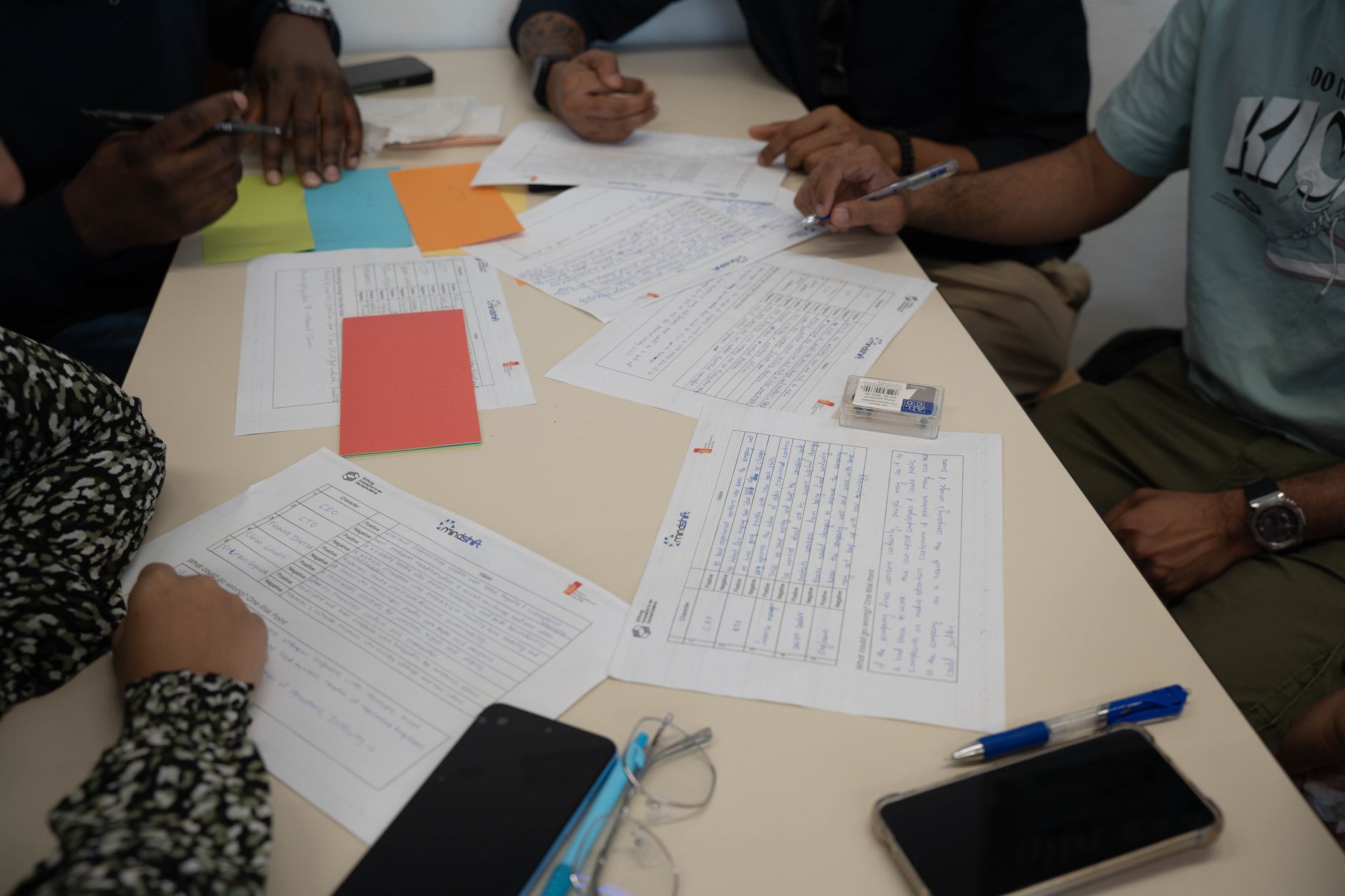
Photo by Md Jawadur Rahman on Pexels
The final reveal is rather simple. The Football 2026 World Cup will be remembered for 48 teams and 104 matches, but the strongest analysis will focus on smaller details: recovery time, squad depth, venue conditions, substitutions, and tactical fit. Start there, and you will already be ahead of the people shouting about rankings in the departure lounge.
Begin building your Football 2026 World Cup watchlist with World Cup Hub.
Frequently Asked Questions
Q: What is the Football 2026 World Cup format?
A: The Football 2026 World Cup will feature 48 teams in 12 groups of four, followed by a 32-team knockout stage. The top two teams from each group and the eight best third-placed teams will qualify for the knockout rounds. The tournament will contain 104 matches, making it the largest FIFA World Cup edition to date.
Q: When does the Football 2026 World Cup start and finish?
A: The tournament is scheduled to begin on June 11, 2026, and finish on July 19, 2026. Mexico City is planned to host the opening match, while MetLife Stadium in East Rutherford, New Jersey, is scheduled to host the final. Confirm dates and kickoff times through FIFA before arranging travel.
Q: Which countries are hosting the 2026 World Cup?
A: Canada, Mexico, and the United States are co-hosting the Football 2026 World Cup. Matches will be staged across 16 host cities, including Toronto, Vancouver, Mexico City, Guadalajara, Monterrey, Atlanta, Los Angeles, Miami, Dallas, and Seattle. Host-city conditions vary considerably, so travel distance and climate should be included in match analysis.
Q: How should I analyze Football 2026 World Cup predictions?
A: Analyze confirmed lineups, recent opponent-adjusted form, expected-goals data, defensive availability, rest days, and travel distance. Team reputation and historical success can provide context, but they should not be the main evidence for a specific fixture. Recheck the assessment after lineup announcements and account for injuries, weather, and tactical changes.
Q: What is the difference between World Cup match analysis and betting advice?
A: Match analysis explains likely tactical and statistical outcomes, while betting advice applies a probability view to a regulated market and includes financial risk. A prediction is not a guarantee, and a strong football opinion may still offer poor betting value if the price is too short. Use licensed services only where legal and set limits before participating.
Q: Will Atlanta host matches at the 2026 World Cup?
A: Yes, Atlanta’s Mercedes-Benz Stadium is scheduled to host eight Football 2026 World Cup matches, including a semifinal. The stadium’s retractable roof and experience with Atlanta United make it a notable venue, although stadium atmosphere alone does not establish a competitive advantage. Travel, weather, recovery time, and team selection remain more important analytical variables.
Q: How can I follow Football 2026 World Cup player and team updates?
A: Follow FIFA for official tournament information and use World Cup Hub for daily predictions, tactical coverage, player statistics, and tournament developments. Check the date of every report because injuries, squads, kickoff times, and venue details can change. For serious analysis, compare at least two reputable sources before forming a final view.
Thank you for reading.
World Cup Hub · Archive