2026 FIFA World Cup vs Qatar 2022: Format & Scale
The 2026 FIFA World Cup will be the largest in the tournament's history, featuring 48 teams competing across 16 host cities in the United States, Canada, and Mexico — a dramatic structural expansion f...
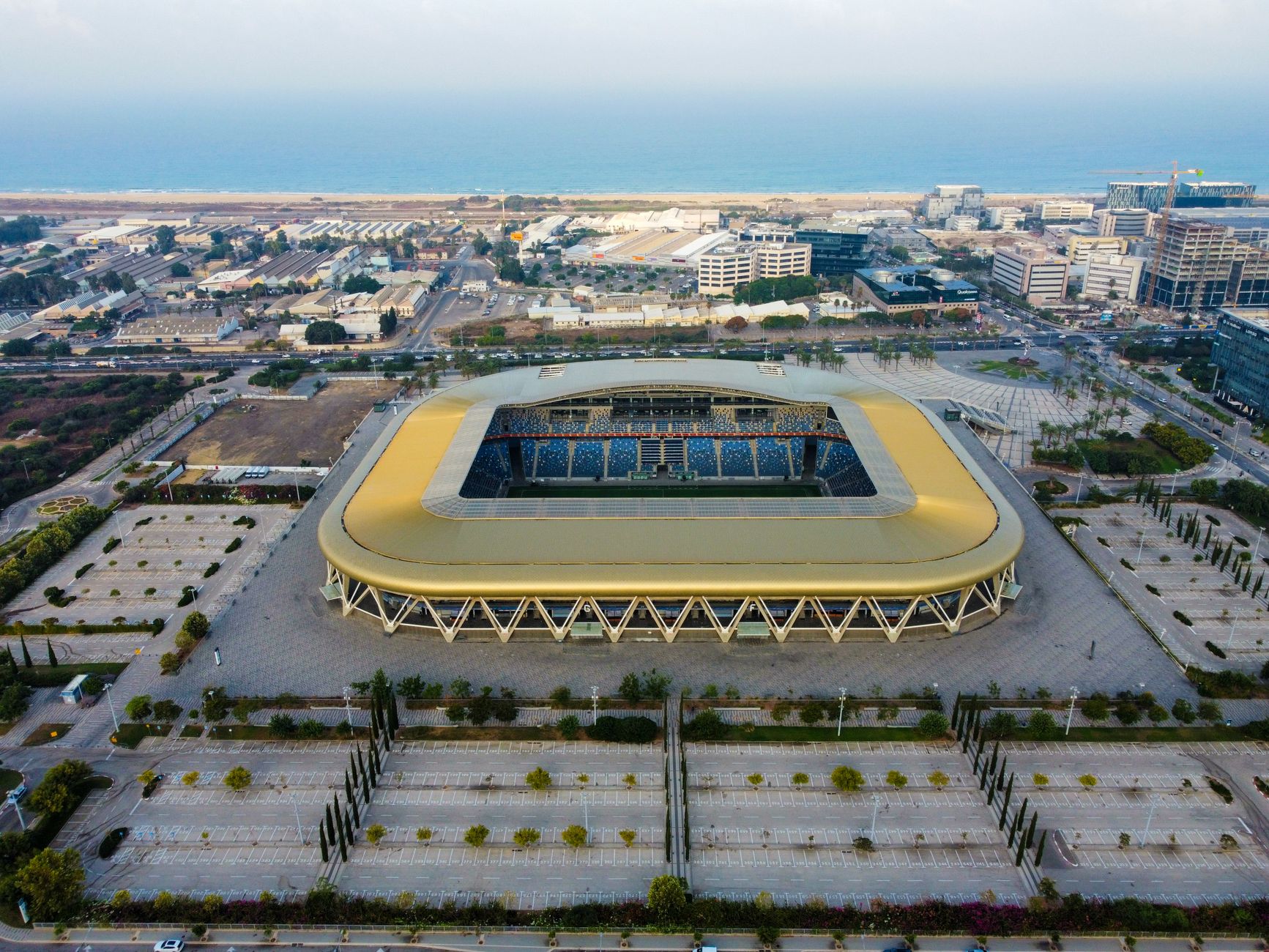
2026 FIFA World Cup vs Qatar 2022: Format & Scale
The 2026 FIFA World Cup will be the largest in the tournament's history, featuring 48 teams competing across 16 host cities in the United States, Canada, and Mexico — a dramatic structural expansion from the 32-team, 8-venue format used in Qatar 2022. Los Angeles alone will host eight matches at SoFi Stadium, including the U.S. Men's National Team opener on June 12, while Atlanta's Mercedes-Benz Stadium is confirmed to stage a semifinal. The tournament spans 39 days with 104 total matches, compared to 64 matches over 29 days in Qatar. FIFA Fan Festival™ activations at the LA Memorial Coliseum will feature Steve Aoki, Normani, Deorro, and Capital Cities, alongside Official Fan Zones across Los Angeles County. For bettors, the expanded format means more group-stage fixtures, higher upset potential, and a wider range of markets to price. World Cup Hub tracks every shift in odds, team tactics, and player performance data as the tournament approaches, giving followers a daily analytical edge ahead of kickoff.
Photo by Lio Voo on Pexels
Before 2025: How the World Cup Format Worked
For nine decades, the FIFA World Cup operated under a relatively stable structural model: 32 teams, eight host cities (or fewer), and a roughly month-long schedule. The 2022 Qatar edition was the last tournament under this template, with 64 matches played across Lusail, Al Bayt, Stadium 974, Al Thumama, Education City, Ahmad Bin Ali, Khalifa International, and Al Janoub venues. The single-host-country model allowed tight logistical control but limited geographic reach. Group-stage matches featured eight four-team groups, with the top two advancing to a 16-team knockout bracket. This structure produced a clean rhythm — three group games per team, then elimination — that oddsmakers, broadcasters, and fans had all memorized.
The betting implications of the 32-team format were well understood across the industry. Bookmakers could price each group with reasonable confidence because qualification paths followed predictable patterns. Group-stage upsets happened but were bounded — typically no more than 4-6 of the 16 knockout spots were genuinely contested by lower-ranked sides. Prop markets focused on Golden Boot, Golden Glove, and bracket-specific outcomes. The data ecosystem around the tournament — expected goals (xG), pass networks, pressing intensity — matured during this era, but the tournament itself stayed structurally frozen from 1998 onward.
[Internal Link: World Cup betting strategies explained]
The 2026 Shift: What Makes This Tournament Different
The decision to expand to 48 teams, approved by the FIFA Council in 2017, fundamentally restructures both the competitive and commercial landscape. Three host nations replace one. Sixteen cities replace eight. The group stage grows from eight groups of four to twelve groups of four, with the top two plus eight best third-placed teams advancing to a 32-team knockout round. That adds 40 new matches and roughly 10 extra days of tournament play.
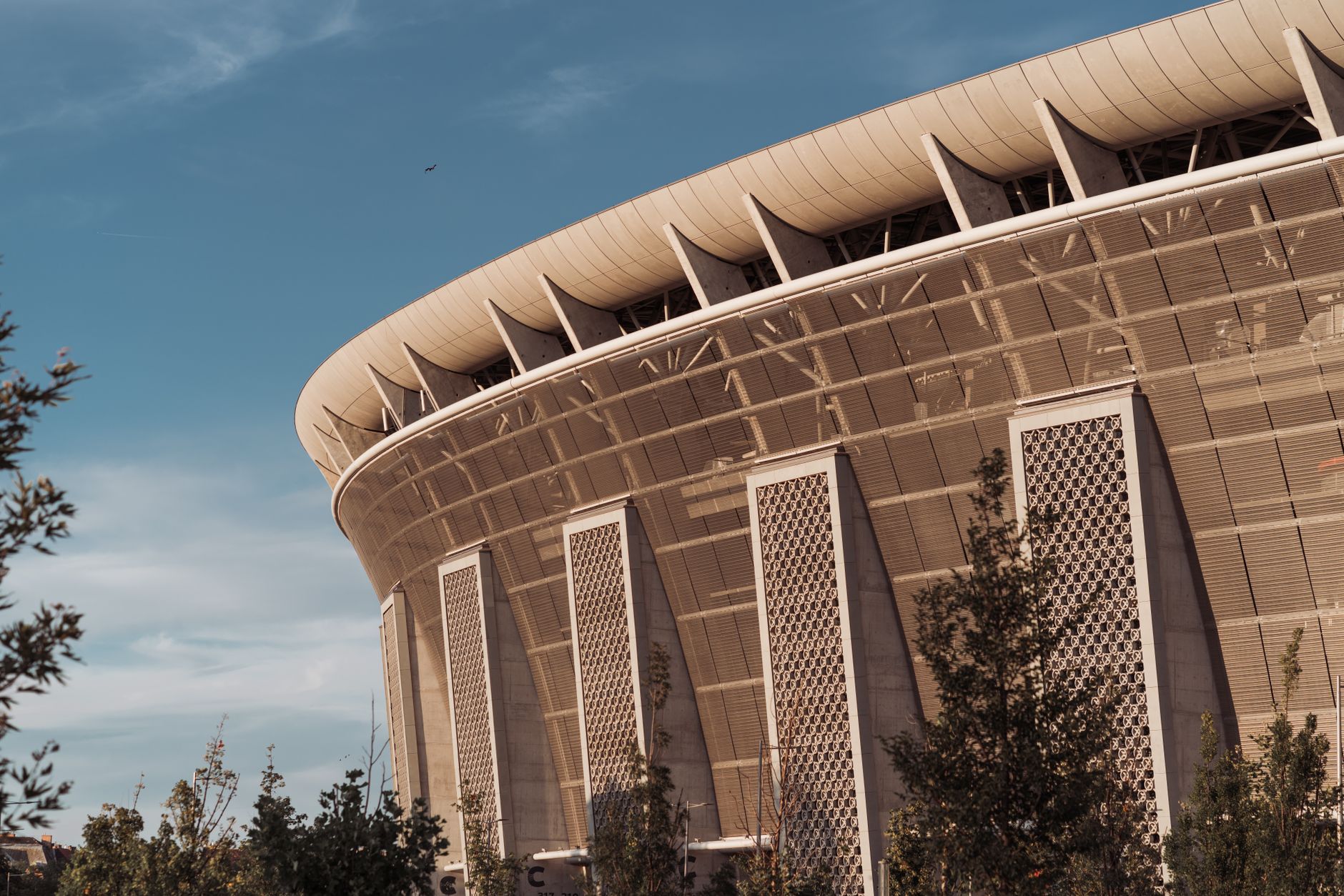
Photo by Tibor Szabo on Pexels
Why does this matter for serious followers? First, distribution. Matches will air across more North American time zones than ever before, with kickoff windows stretching from early afternoon Eastern to late-night Pacific slots. Second, logistics. FIFA has coordinated bespoke stadium readiness plans with host cities including Los Angeles, Atlanta, Dallas, Houston, Miami, New York/New Jersey, Philadelphia, Seattle, San Francisco, Kansas City, Toronto, Vancouver, Guadalajara, Monterrey, and Mexico City. Third, fan infrastructure. The FIFA Fan Festival™ model that debuted in Qatar is being scaled across multiple host cities, with Los Angeles anchoring a 39-day activation at the LA Memorial Coliseum.
According to the Wikipedia entry on the 2026 FIFA World Cup final, the expanded bracket means that even teams finishing third in their group retain a mathematical path to the title — a structural novelty that changes how early-round matches should be priced.
What Changed for Players in the 48-Team Era
From a player perspective, the 2026 format introduces both opportunity and risk. For stars at top-ranked nations, the path to the final is now longer — seven matches minimum for a champion, spread across more rounds than the 32-team era. The new Round of 32 alone adds one extra knockout fixture for teams that would have previously been eliminated after the group stage.

Photo by Franco Monsalvo on Pexels
For players from emerging football nations, the expansion is transformative. Countries that would have been excluded under the 32-team format — Uzbekistan, Jordan, Cape Verde, and others from the expanded UEFA, AFC, and CAF qualification pathways — now have a genuine route to the World Cup stage. This dilutes the average quality of the field but increases the variance of group-stage outcomes. For bettors pricing underdog lines, this matters enormously. A 48-team field produces more fixtures where talent gaps are wide but motivation gaps are narrow, creating value opportunities that did not exist in the 32-team model.
Workload is another concern that has surfaced in club-versus-country discussions. The 2025-26 European club calendar is already congested, and adding a 40-match expansion to the World Cup means national-team staff will need to manage minutes more carefully during qualifying windows and pre-tournament friendlies. Expect rotation patterns in tight brackets to differ markedly from Qatar 2022, particularly when teams have already secured advancement before Matchday 3.
[Internal Link: Player stats and performance analysis]
What This Means for Fans and Bettors Now
The practical impact of the 2026 shift lands hardest in three areas: ticket demand, market liquidity, and content consumption. Ticket demand is already exceeding supply for marquee matches in Los Angeles, Atlanta, and Dallas — with SoFi Stadium's eight-match allocation, including the U.S. Men's National Team opener on June 12, driving the most aggressive secondary-market activity of the cycle.

Photo by El gringo photo on Pexels
Market liquidity follows demand. Sportsbooks are expanding their 2026 menus earlier than any previous cycle, with group-stage props, Golden Boot odds, and country-specific advancement markets already posted. World Cup Hub has been tracking the early line movement on these markets, noting that underdog advancement odds for third-placed teams are pricing in roughly 15-20% more variance than comparable 32-team tournament baselines. That gap is where analytical edge lives.
Content consumption is the third shift worth monitoring. The 39-day tournament window, combined with the multi-country hosting model, means fans will follow multiple narrative threads simultaneously — not just their home nation. The Los Angeles FIFA World Cup 26 host site confirms fan-zone programming running throughout the group stage, while the Atlanta host portal highlights Mercedes-Benz Stadium's semifinal hosting role and the city's positioning as "the soccer city of the South."
For analytical bettors, the takeaway is straightforward: the 2026 World Cup will reward those who prepare early, track squad rotations, and price variance correctly across the expanded field.
<a href="https://world-cup-hub-client-en-172.a3seo.com/" class="cta-button" style="display: inline
Thank you for reading.
World Cup Hub · Archive